Photo production, retouching and post-production for luxury brands: product photography, colour management, briefs, supplier reliability. Each article answers a concrete question a brand asks itself before launching a production.
A reliable provider is not an infallible one: it is one that keeps its commitments, knows how to refuse an impossible deadline and holds visual consistency under pressure. The size of the structure makes no difference. What matters is how often the initial brief is enough, without back and forth.
Read the article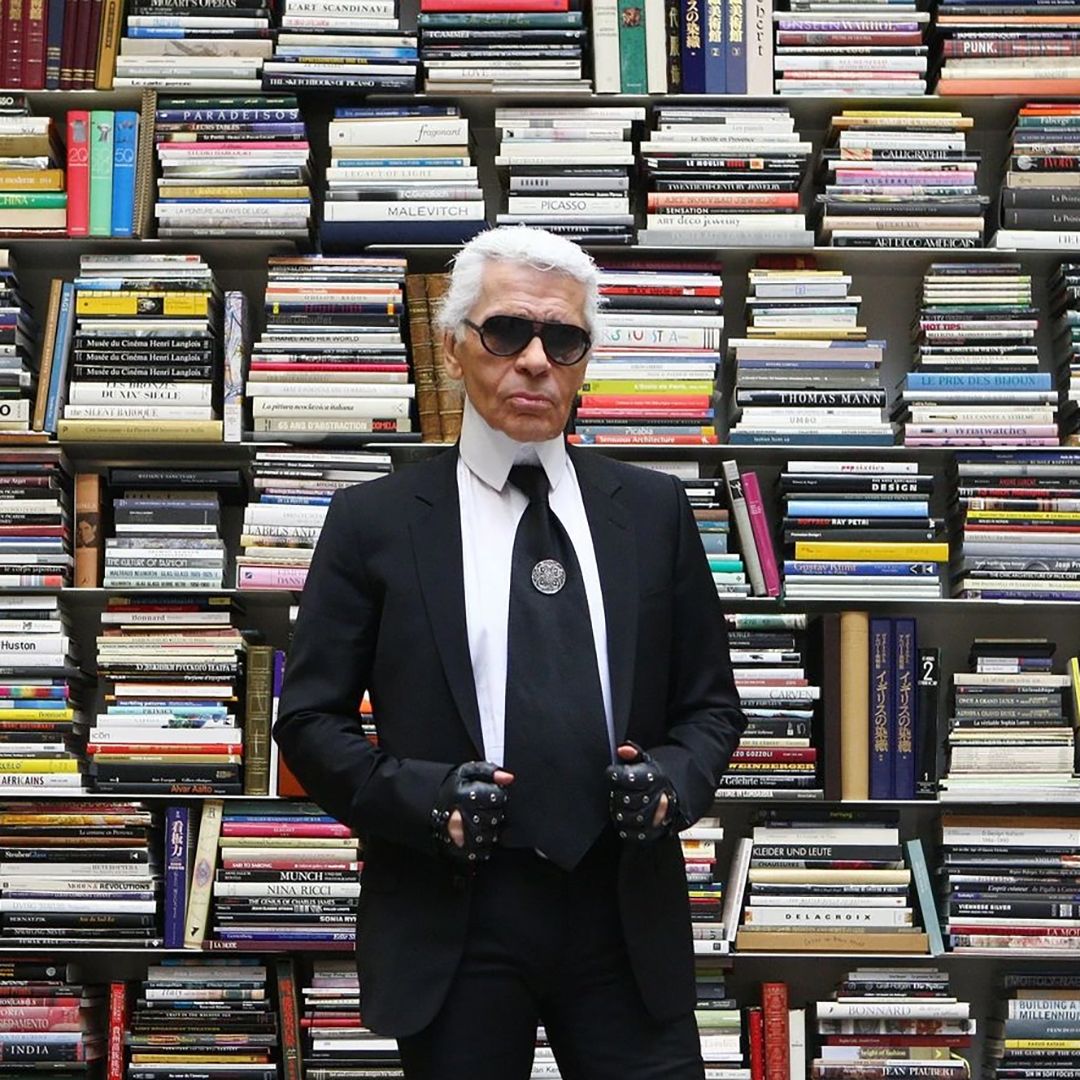
Karl Lagerfeld photographed the Chanel campaigns himself from 1987 to keep a single eye on the whole chain, from brief to final print. Over 600 images later, the method remains a lesson in production: every intermediary between intention and delivered image is a possible loss.
Read the article
A luxury photo production project unfolds in three stages: a brief and a quote that frame the need, a production and retouching aligned with the brand's art direction, then follow-up with a single point of contact. The aim is to deliver visuals ready to publish, on the announced deadlines, without endless back and forth.
Read the article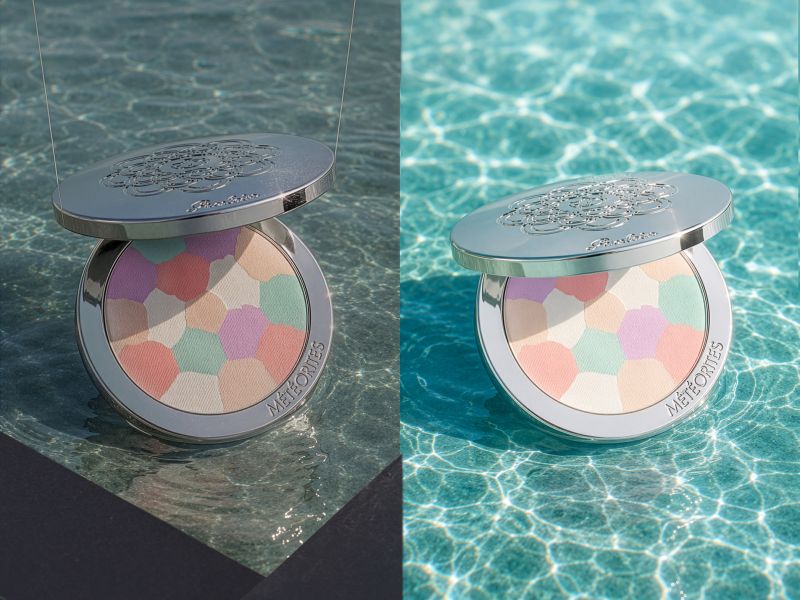
Post-production rescues many disappointing images, but not all of them, and perfect retouching does not exist. What makes the difference: a solid brief at the start, an experienced retoucher, controlled colour management and AI used as a tool, not as a replacement.
Read the article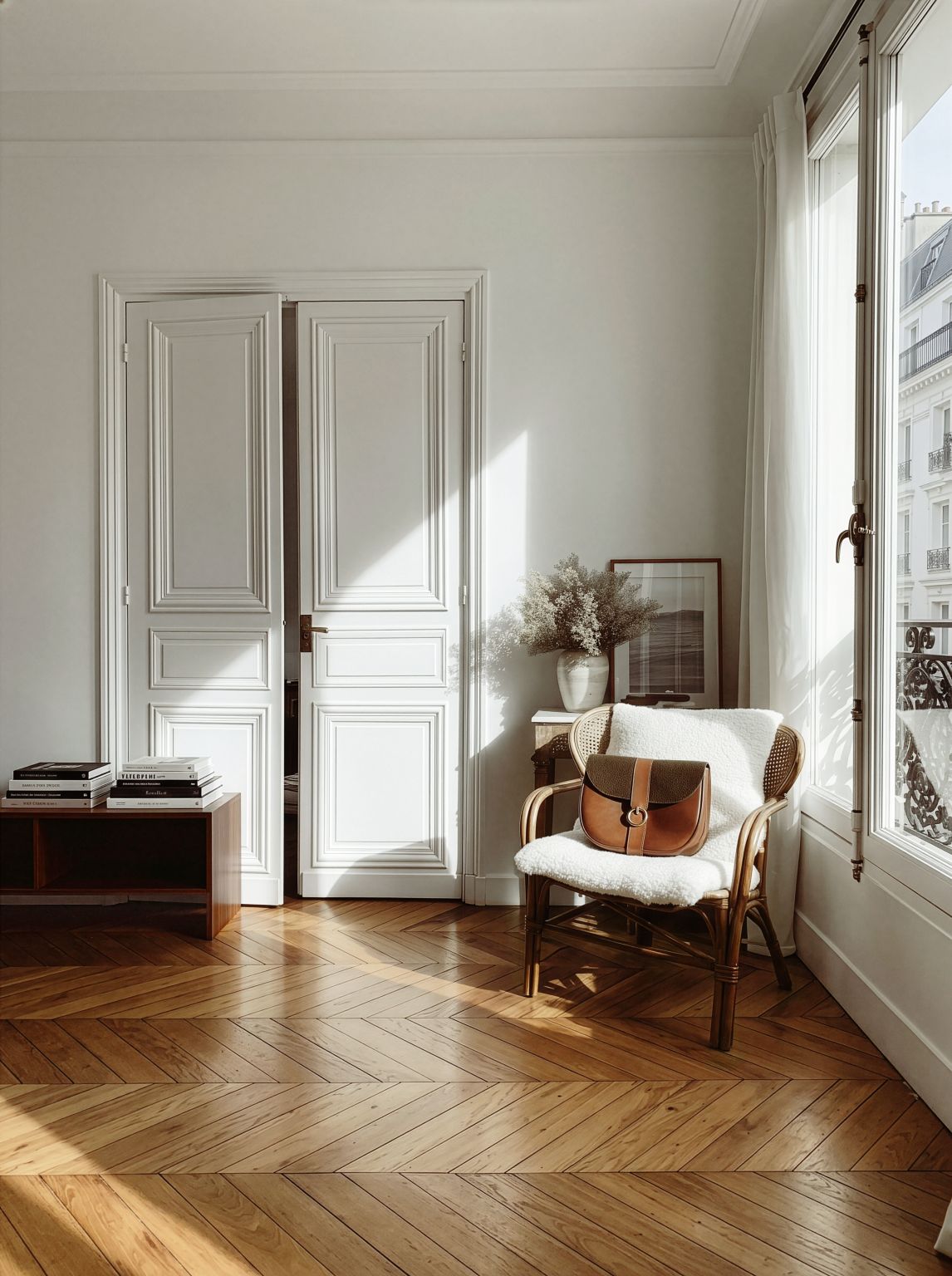
The three most common mistakes in luxury product photography are a framing that tells nothing, a composition that does not guide the eye and a mood that does not match the brand's universe. None comes from the product itself. All can be prevented at the brief, and some can be rescued in post-production.
Read the articleA product photo can be sharp and well exposed without making anyone want to buy. For a luxury brand, the effect is decided by framing, composition and mood, and is settled in the brief, before the shoot.
Luxury product photography: the 3 mistakes that kill the desire to buy
Post-production can rescue many disappointing images: light, colours, texture, cropping, series consistency. It does not replace an angle or a mood that needs to be redone at the shoot. Colour management, the quality of the brief and the use of AI as a tool, not a replacement, make the difference.
Luxury photo post-production: the 5 truths nobody really tells you
A project unfolds in three stages: a brief and a quote that frame the need, a production and retouching aligned with the brand's art direction, then follow-up with a single point of contact. The case of Karl Lagerfeld, who photographed the Chanel campaigns himself, shows what each intermediary costs between intention and delivered image.
Photo production and post-production for luxury: how a project unfolds
Why did Karl Lagerfeld photograph the Chanel campaigns himself?
A provider's reliability does not depend on the size of its structure. It is judged by how often the initial brief is enough without back and forth, its ability to refuse an impossible deadline, and the visual consistency held during the rush periods.
No provider is infallible: 5 truths about reliability in photo production
In three stages: a brief and a quote that frame the need, a production and retouching aligned with the brand's art direction, then follow-up with a single point of contact through to delivery in your formats.
Pricing is set by quote, according to the volume and the level of demand of the project. Engagement is per assignment, with no long-term contract.
It rescues a lot: light, colours, texture, cropping, series consistency. It does not replace a shoot whose angle or mood needs to be redone.
By how often the initial brief is enough without back and forth, by its ability to refuse an impossible deadline, and by the visual consistency it holds under pressure, during the rush periods in particular.
No. It automates repetitive tasks, but the eye, the standard and the brand consistency remain human. We use it as a tool in service of art direction.