100% AI image generation, AI retouching and AI additions on your real shoots: series consistency designed for luxury, never a shortcut.
AI is a tool, and our teams remain the DNA of Wet Paint Factory. We use it to enrich a product's story and improve the end customer's experience, never to deceive them.
Our approach fits in one sentence: AI extends what the shoot has validated. A product is shot once, then extended. We are preparing Variations, our AI image variation offer: a reference shoot, then images faithful to the product, from mood to campaign.
100% AI image generation, to create moods, sets or lifestyle scenes without an additional shoot. And AI retouching or additions on real photos: a recomposed background, a lifestyle scene added to an existing packshot, without reshooting.
01. Brief
The project starts from your brief, which frames the product, the brand universe and its constraints.
02. Moodboard of variations
We build a moodboard to fix the style, refine the direction and keep brand consistency.
03. Reference shoot
The product is photographed: generally four or five packshot views, actually shot, serve as references. This is what guarantees the accuracy of every image that follows.
04. Variations
From these references, we produce for example one mood image of the product, two worn images and one range image with several products in a setting. A worn video or a video turning around the product can also be considered.
05. Validation and production
Each generated image is compared with the real product and validated with you, step by step. The back and forth serves to refine the universe before launching a larger production: we can handle substantial volumes once the universe is validated.
The product stays identical and accurate in every variation. Since we shoot four or five reference packshot views, we have what we need to compare each generated image with the real product, and validation is done step by step with you.
A believable generated image is won in the details. Every image is checked before validation, across four families of points.
On materials and light: the reflections of metal and stones, the transparency of glass and liquids, the grain of leather and fabrics, the texture of a cosmetic product.
On the product's identity: logos and typefaces, engravings and inscriptions, the exact colour, parts and mechanisms.
On the coherence of the scene: the proportions and scale of the product, the shadows and light of the setting, the unity of the series, the absence of any stray element added by AI.
On worn images: the anatomy of hands, natural skin grain, how the product sits on the body.
The first saving is the number of shoots. From four or five reference packshot views, we produce moods, worn images and range images without setting up a shoot for each one. The product is photographed once, the rest is built from that base.
The timeline follows the same logic. A series of variations coming from a single session generally moves faster than a succession of shoots to schedule, and we set the deadline with you from the brief.
Future needs cost less too. An image designed for one campaign can be reused for another purpose, a vertical format for social media, a print version, a seasonal variation, without a new shoot. And a distant or hard-to-reach setting can be recreated around the product, without travel.
One limit, to be clear: the reference views are always shot, which is what guarantees product accuracy. AI does not remove the shoot, it avoids repeating it. The budget is set by quote, according to the number of variations and the complexity of the universe.
A self-service AI tool knows neither your product, nor your guidelines, nor your confidentiality constraints. We work with a photographer's eye, a very high standard of quality and brand consistency held across the whole series, with teams that control the production chain from end to end, as on a conventional shoot.
Your images are never used to train a model. Depending on needs, we use two families of models: models under commercial licence, or models that run offline, on our own machines. Access to visuals and working files stays restricted, with the same confidentiality commitments as on our conventional productions.
The principle is that of author's rights (droit d'auteur, French copyright law), as it applies to any photograph. The author of an image holds the rights from the moment of creation, without any formality. These rights are of two kinds: the moral right, which ties the work to its author, cannot be transferred and does not expire, and the economic rights, that is the right to reproduce and to represent the image, which can be assigned.
Economic rights last for the author's lifetime and 70 years after death. Receiving the files of an image does not transfer these rights: owning the file and having the right to use it are two distinct things.
The client uses the image through an assignment of rights, written into the quote. It specifies what is assigned, for which uses (media, channels), in which territory and for how long. Any use outside this scope must be provided for in the assignment.
AI does not change this framework. An image is protected when it bears the mark of its authors' creative choices, and that is the case here: real reference shoots, art direction, retouching, image-by-image validation by our teams. The creative process remains that of a photo production, AI being one of its tools. Rights are therefore assigned under the same conditions as for a photograph. This reminder is general; the exact terms are set out in your quote.
We refuse to copy commercial products, to produce degrading or immoral content, and to deceive the client. AI must enrich the product's story, not rewrite it.
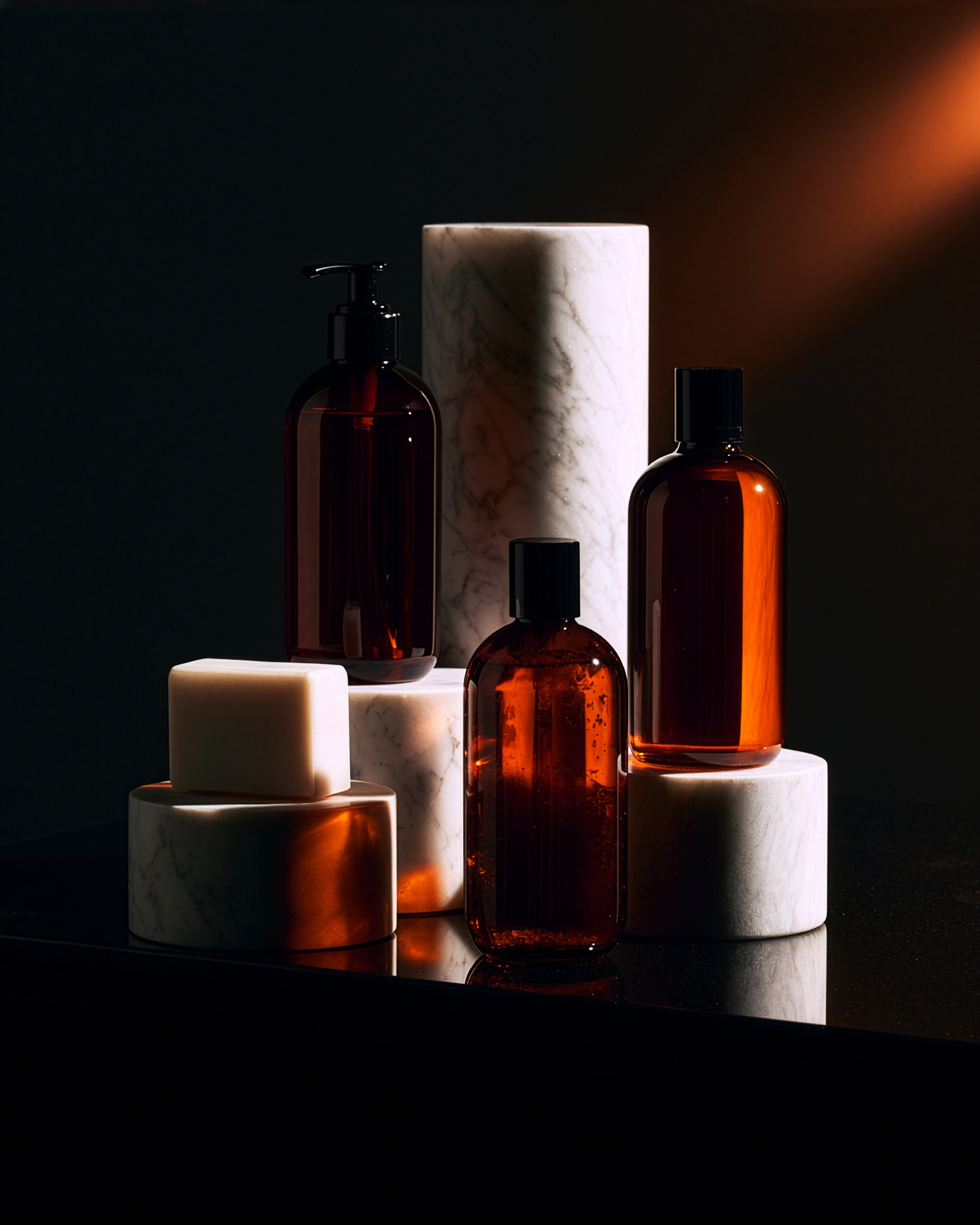
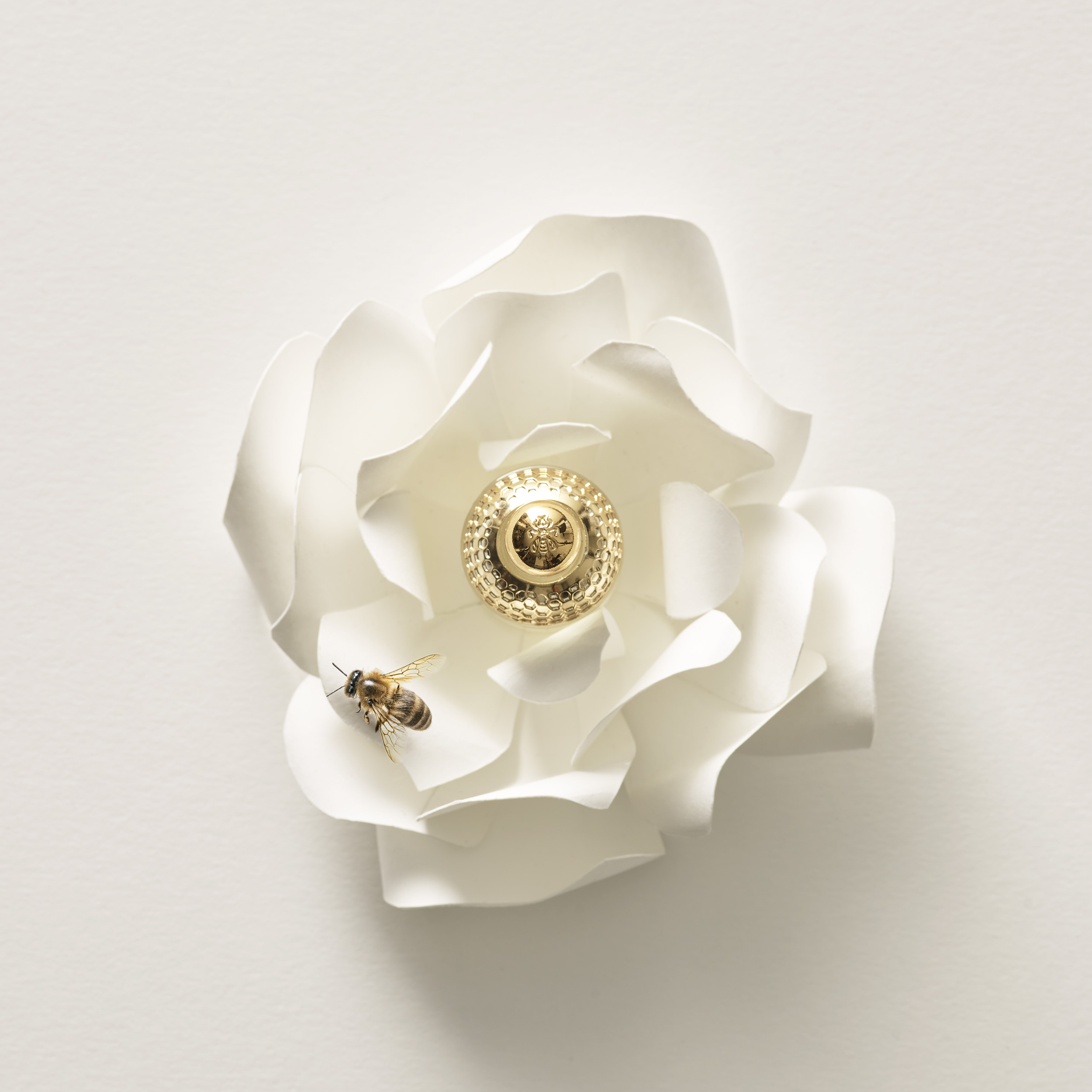
A product shot on a white background can be extended across several visuals with a coherent universe, aligned with a collection or a brand. A shoot can also be transposed into an outdoor setting, all the way to the Grand Canyon, thanks to AI background generation.
Do you use AI to generate images from scratch, or only to complete real photos?
Both, often combined. We produce 100% AI-generated images (moods, sets, lifestyle scenes without an additional shoot), and we also use AI to complete or retouch real photos.
What is Variations?
Variations is our offer in preparation: a product is shot once, its images serve as a reference to guarantee its accuracy, then we extend it into packshots, moods, editorial and campaign from your brief, with our teams and the AI tool.
How do you guarantee the product stays true to reality in a generated image?
We shoot four to five reference packshot views and compare each generated image with the real product. Validation is done step by step.
How many variations can be obtained from one product?
Generally: one mood image of the product, two worn images and one range image, from four or five real packshot views. A video can be considered.
Does AI cost less than a shoot?
AI is not justified image by image. The saving is made at the scale of a production. When a product must exist in several moods, formats or seasons, shooting it once then extending it avoids organising a new shoot for every need. The final cost goes down because the number of shoots goes down, not because the standard goes down: every image is compared with the real product and validated with you.
Who owns the images created with AI?
The framework is that of author's rights applied to photography: the author holds the rights from creation, and the client acquires a right of use through a written assignment, which specifies the uses, the territory and the duration. Economic rights run until 70 years after the author's death. AI does not change this framework: our images start from real shoots and are directed, retouched and validated by our teams.
Are my visuals or product data used to train your AI models?
No. Your images are never used to train a model. We use models under commercial licence, or models that run offline on our own machines.
What do you refuse to do with AI?
We refuse to copy commercial products, to produce degrading or immoral content, and to deceive the client.
Does AI replace your teams?
No. AI is a tool, and our teams remain the DNA of Wet Paint Factory.

A reliable provider is not an infallible one: it is one that keeps its commitments, knows how to refuse an impossible deadline and holds visual consistency under pressure. The size of the structure makes no difference. What matters is how often the initial brief is enough, without back and forth.
Read the article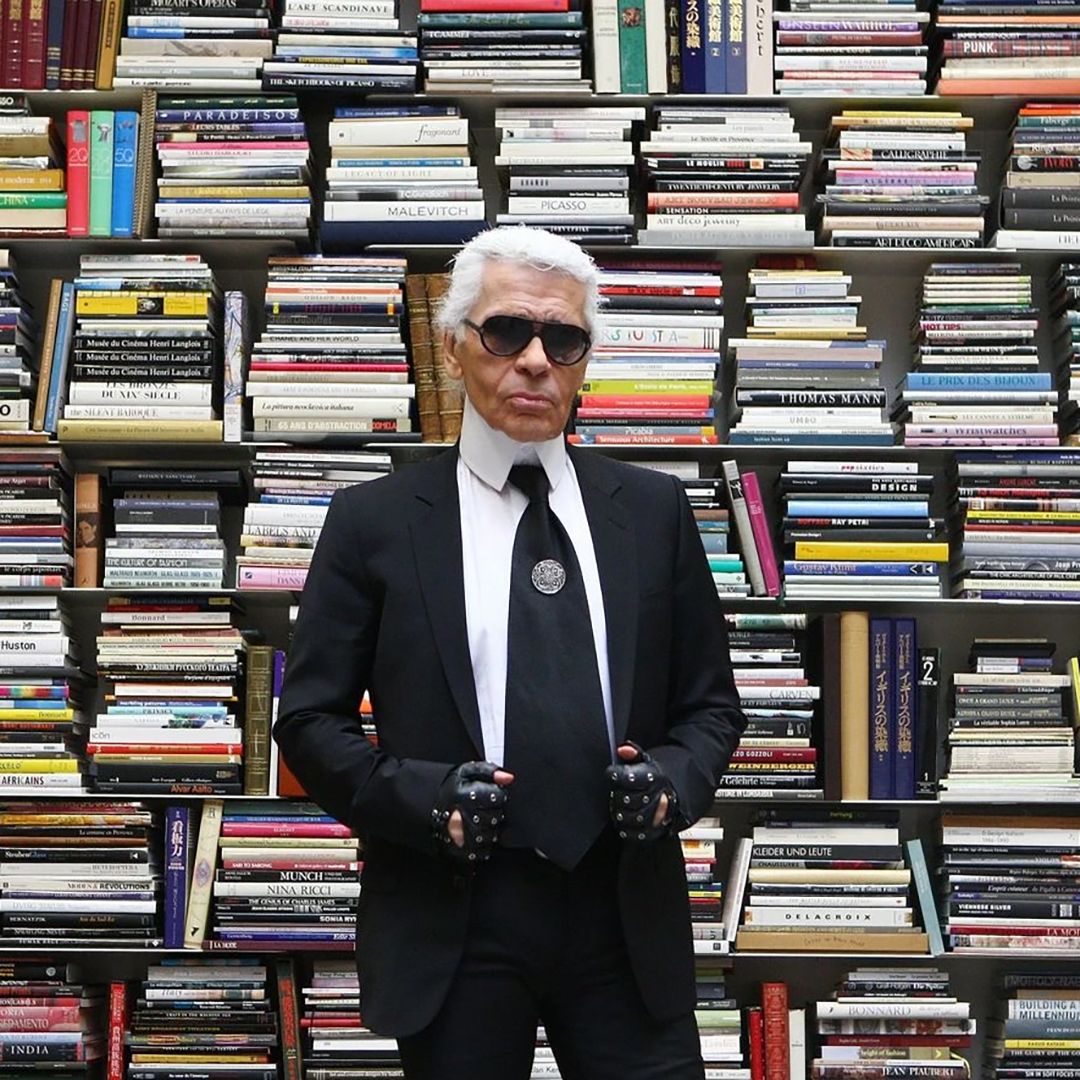
Karl Lagerfeld photographed the Chanel campaigns himself from 1987 to keep a single eye on the whole chain, from brief to final print. Over 600 images later, the method remains a lesson in production: every intermediary between intention and delivered image is a possible loss.
Read the article
A luxury photo production project unfolds in three stages: a brief and a quote that frame the need, a production and retouching aligned with the brand's art direction, then follow-up with a single point of contact. The aim is to deliver visuals ready to publish, on the announced deadlines, without endless back and forth.
Read the article